Home › Leak Detection in Lancaster, PA › Leak Detection in Mount Joy, PA
Leak Detection in Mount Joy, PA
Leak detection in Mount Joy is the systematic tracing of a hidden water leak to its source, using moisture meters, listening equipment, pressure testing and inspection, before any wall or floor is opened. Finding the leak first, and fixing it second, are separate skills. Good detection means the repair opening is small and in the right place, rather than exploratory holes across a room. Call (607) 305-8020, describe the problem and your part of Mount Joy, and we connect you with an independent local plumber. You agree scope and price with the plumber directly before work starts.
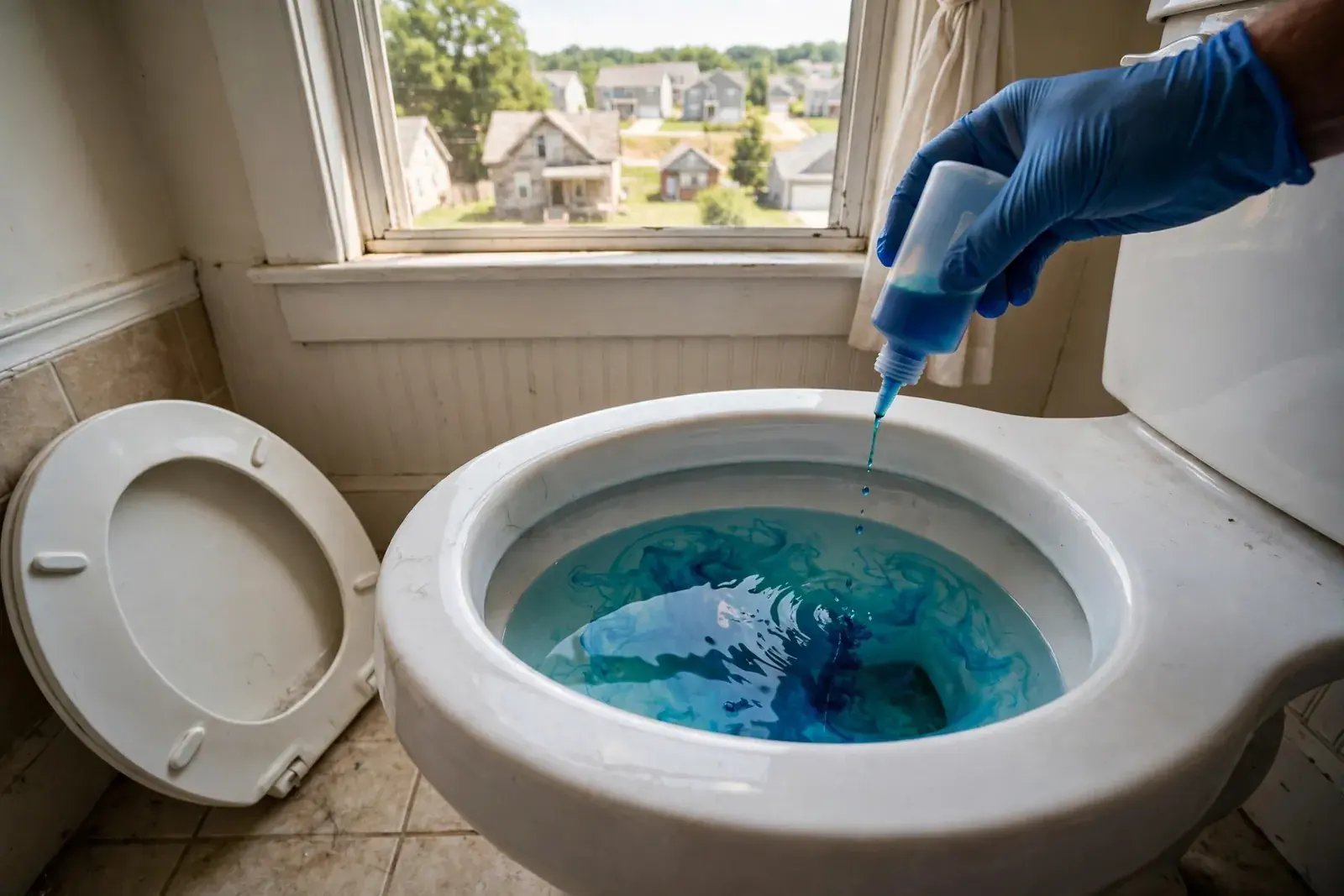
At a glance
What is leak detection, and why is it its own service in Mount Joy?
Leak detection is the disciplined hunt for water escaping from a pipe, fitting or fixture where you cannot see it, using pressure tests, listening equipment and moisture checks to place the fault before any wall or floor is opened. It exists because the alternative is demolition by hunch. A stain tells you where water arrived. Detection tells you where it left the pipe, and those two addresses are often different.
Mount Joy housing makes the hunt interesting. Brick homes from the 1800s near the station carry pipework threaded through thick walls and old chases. Florin homes, a separate borough until 1963, hide their runs in the styles of several decades. Newer subdivisions toward Route 283 have cleaner layouts but finished basements that conceal early evidence, and low streets toward Little Chiques Creek add groundwater to the list of suspects. If your meter moves with every tap off, or a bill has jumped without explanation, call (607) 305-8020. One call connects you with an independent local plumber who will start with questions, not a saw.
Start a notebook, however informal, if a suspected leak is developing slowly. Note the meter reading at the same hour on successive days, the weather, and when damp patches look worse. A pipe leak is indifferent to rain, while groundwater near the creek is not, and a week of simple notes can separate those two stories before any equipment arrives. Plumbers think in patterns, and a homeowner who arrives with one has done half the diagnostic work at the kitchen table.
Which clues suggest water is escaping somewhere unseen?
Hidden leaks betray themselves indirectly, through the house rather than at the pipe. Gather the pattern from signs like these:
The escape itself usually starts small. A pinhole opens in copper as it ages. A joint behind a bath panel weeps only under pressure. A supply line in a cold crawl space on the creek side of town sweats, freezes slightly, and begins to drip each thaw. Water then travels, along joists, down studs and under flooring, so the damage can bloom a room away from the fault while the true source stays dry looking and silent.
Not every unexplained damp patch is a plumbing leak, and a good detection visit says so when the evidence points elsewhere. Condensation on cold pipes and cisterns in a humid Florin basement, a failed bath seal letting shower water through daily, roof or gutter water tracking down a cavity, all imitate pipe failure faithfully. The value of methodical testing is that it acquits the plumbing when the plumbing is innocent, and redirects attention to the trade that actually owns the problem.
How does a plumber trace a hidden leak without opening everything?
The search narrows in stages, from the whole house down to a single section. It often begins with the meter. With all taps off and appliances idle, a moving meter confirms that water is leaving the system somewhere. From there, supplies can be isolated area by area, so the search halves itself each time a section holds pressure cleanly.
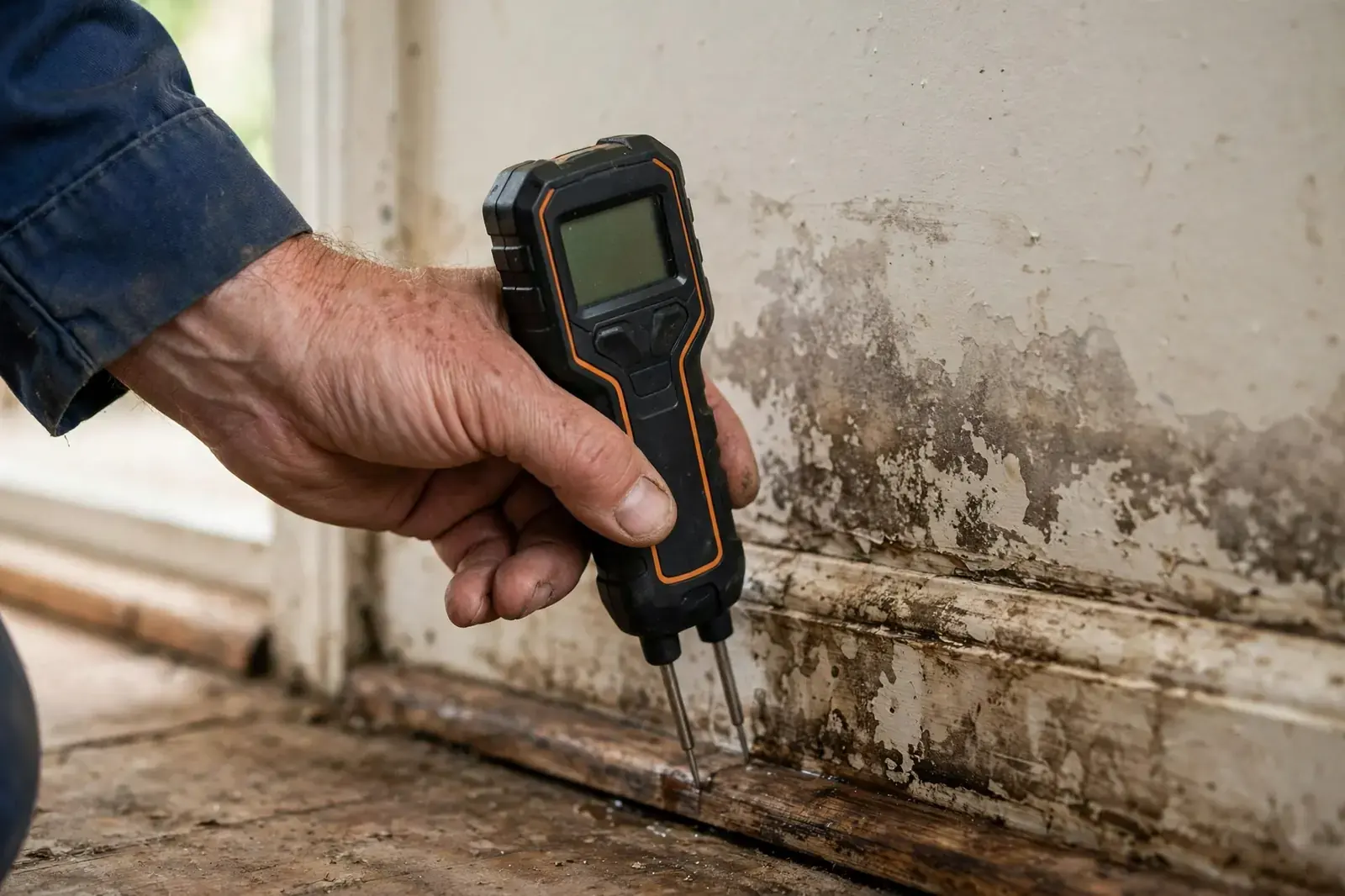
Once the losing section is known, finer tools take over. Listening equipment picks up the hiss of escaping water through floors and walls. Moisture readings map how far damp has spread and, just as usefully, where it has not. Thermal differences can hint at a hot line leaking beneath a slab or floor. Only when the evidence converges does the plumber propose a small, placed opening to confirm and reach the fault. Detection and repair are separate scopes. You get the findings first, with the location and likely cause explained, and then decide on the repair with that knowledge in hand.
Hot water leaks carry an extra signature worth knowing about. Because the water is warm, they can raise a faint warmth in a floor, encourage mould in a particular corner and add quietly to heating costs as the heater replaces lost hot water around the clock. In a newer subdivision home with underfloor runs, that warm patch may be the only visible clue for months. Mention any area of floor that feels different underfoot when you call, even if it seems too small to matter.
What makes one leak search longer than another?
Search time is set by the house and the hiding place, not by the size of the drip. The factors that matter most:
Where the pipe runs
Lines in an open cellar reveal themselves. Lines inside finished walls, under tiled floors or beneath a slab in a subdivision home take staged testing to place.
How the home is plumbed
A compact mid century layout isolates neatly. An extended 1800s house with additions from different eras has more sections to rule in or out.
Water versus heating versus drain
Pressurised supply leaks announce themselves to meters and microphones. Drain leaks may only appear when a particular fixture runs, which changes the method.
Groundwater confusion
Near Little Chiques Creek, damp can come from the ground as well as from a pipe, and separating the two sources is part of the work.
The plumber agrees the detection scope and price with you in advance, and the subsequent repair is quoted separately once the source is proven, so you never pay to fix a leak that has not been found.
Once a leak is repaired, keep the detection findings. The report of where the fault sat, which section was isolated and how the surrounding pipe looked is a baseline for the house. If a new symptom appears years later, that document tells the next plumber where the system has already been opened and what condition was found, which can shorten the next search considerably. Invisible infrastructure rewards households that keep its paperwork.
Where else around Mount Joy can leak detection be arranged?
Leak detection through this number serves Mount Joy and the surrounding towns. The plumber for Mount Joy, PA page gives the complete local picture. The county version is at leak detection services in Lancaster, PA. When detection reveals pipework failing in several places rather than one, the follow on service to consider is repiping in Mount Joy, PA. Call (607) 305-8020, mention your meter behaviour and where any damp appears, and you will be connected from there. The same arrangement also covers:
Rented homes along Main Street, where a tenant reports the symptom and a landlord arranges the work, are handled through the same call, and the findings are reported in terms that can be passed on plainly to someone who was not in the house.
How does Plumbing Lancaster PA work?
Plumbing Lancaster PA works in 3 steps: call, describe, connect. We are a connection service, not a plumbing company, so the plumber who arrives is a local independent tradesperson, not our employee.
Call one number
Dial (607) 305-8020 any time. The line covers Lancaster city and the whole county service area.
Tell us the problem
Say what is leaking, clogged or cold, and which town you are in. Urgent jobs get flagged urgent.
Get connected locally
We connect you with a local plumber who takes the job. You agree scope and price with the plumber directly.
Need this done in Lancaster, PA?
Call (607) 305-8020 and tell us the problem and your town. We connect you with an independent local plumber who takes the job, and you agree the scope and price with the plumber before any work starts.
Call (607) 305-8020Leak Detection in Mount Joy: questions, answered
My meter moves but I cannot find any damp. Where is the water going?
Possibly underground or into a space you cannot see, such as a crawl space, a wall cavity or the ground beneath a floor. A supply line leak between the meter and the house is another candidate in Mount Joy. Section by section isolation will show whether the loss is inside the home or before it.
Could the damp in my basement just be the creek side water table?
It could, and that is exactly why detection matters on the low east side of town. Groundwater damp tends to follow rain and season, while a pipe leak is constant and shows on the meter. Testing separates the two, so you do not pay for pipe repair when the answer is drainage or a sump solution.
Will finding the leak mean tearing out my bathroom?
Usually not in that wholesale way. The point of pressure testing and listening equipment is to place the fault closely, so any opening is small and deliberate. Some confirmation opening may still be needed, but it is positioned by evidence. In a tiled bathroom in a newer subdivision home, that precision is what protects the finish.
Why does the leak sound loudest at night near Market Street?
Because the house is quiet and the pipes carry sound well, and because water pressure often rises slightly when neighbourhood demand falls. Homeowners near the Market Street rail corridor sometimes also notice a hum they blame on trains. A listening test will separate plumbing noise from everything else the house transmits.
Can a leak hide in a home on a well supply?
Yes. Fringe homes on wells have no street meter to interrogate, so detection leans on pressure behaviour, pump cycling and moisture evidence instead. A well pump that runs when nobody is using water is the equivalent clue. Tell the plumber you are on a well when you call, because the method adjusts accordingly.
What happens once the leak is found?
You get the location, the likely cause and the condition of the surrounding pipe explained before any repair is agreed. A single pinhole in sound pipe is one conversation. Several thin spots in an old run is another, and may point toward renewing a section. The repair is then quoted as its own job, separate from the search.
Need leak detection in Mount Joy, PA?
Call (607) 305-8020 and describe the job and where you are in Mount Joy. We connect you with an independent local plumber, and you agree scope and price with them before work starts.