Home › Water Heater Installation in Lancaster, PA › Water Heater Installation in Willow Street, PA
Water Heater Installation in Willow Street, PA
In Willow Street, PA, water heater installation is the fitting of a new water heater where a home is gaining hot water capacity, changing heater type, or building out a space that has never had its own unit. You need it for a renovation, an addition, a conversion of a basement or garage space, or when you want to move from a tank to a tankless unit and change how hot water is delivered. Call (607) 305-8020 and describe the problem, the room or line involved, and how your home is built. We connect you with an independent local plumber, and you agree the scope and price with that plumber before work starts.
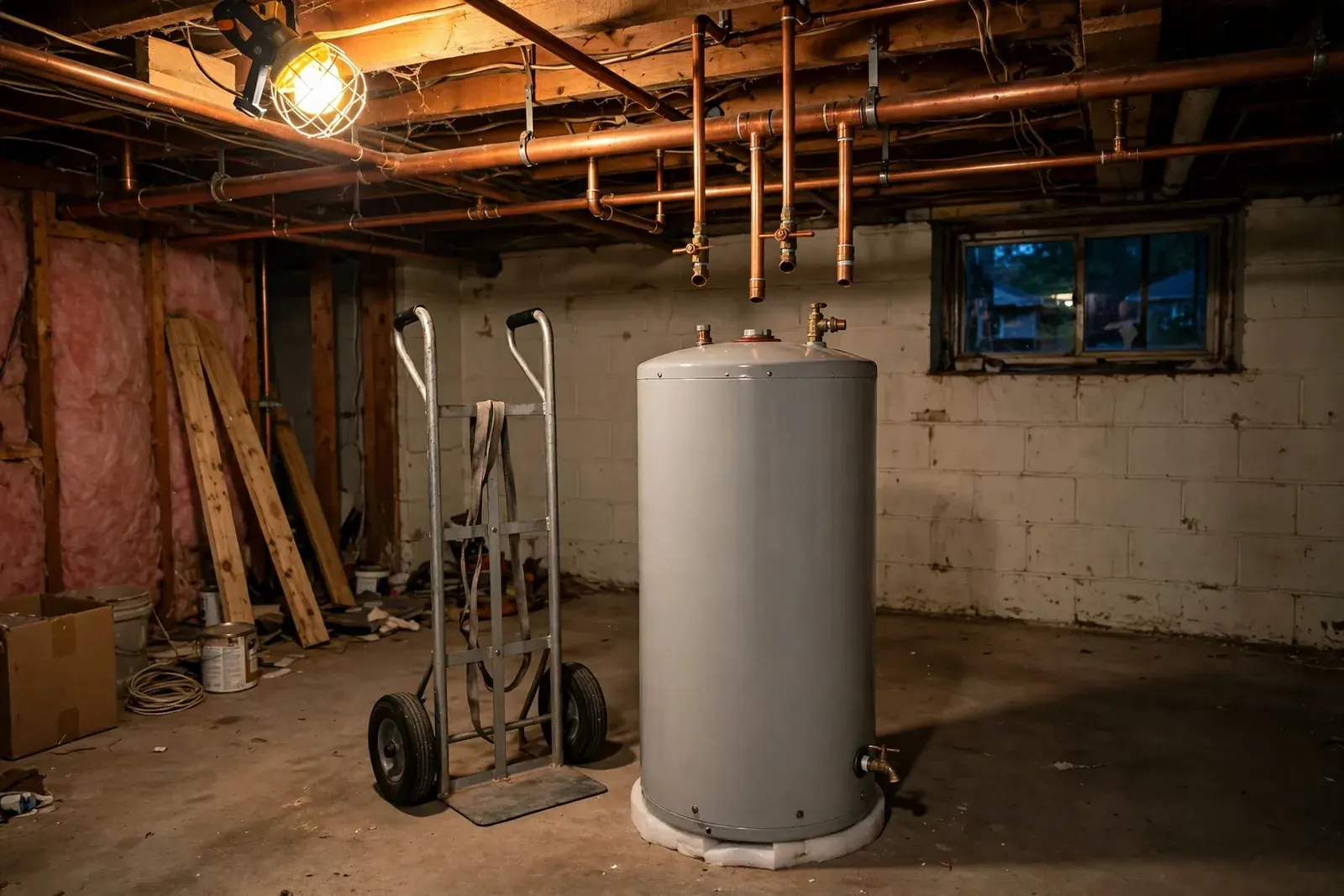
At a glance
What is involved in installing a water heater in Willow Street?
Water heater installation is the fitting of a new unit, connected to the home's water lines, fuel or power supply and venting, sized to the household's actual demand. It covers first fittings in added space as well as planned fittings where no working heater currently serves the home.
Willow Street generates this work in a steady pattern. The village about five miles south of Lancaster city has many homes from the 1960s to the 1990s whose owners are finishing basements, adding bathrooms or converting space for family, including in-law arrangements near the Willow Valley community. Each of those projects raises hot water demand that the original heater was never sized for. The housing mix off Beaver Valley Pike, split-levels, colonials and ranches, also means heater locations vary widely, from open basement corners to tight utility closets, and that placement shapes the installation as much as the choice of unit. Getting the sizing and siting right at this stage is what keeps a new heater from disappointing its owners within the first winter.
The installation conversation is also the moment to think about the decades ahead rather than the week ahead. A household expecting children to become teenagers, or planning to welcome parents into a Willow Valley style arrangement, will draw hot water very differently in five years. Sizing honestly for the household you are becoming, within what the space and venting allow, is what separates a heater that quietly serves from one that is resented every winter morning.
When does a Willow Street home need a heater installed?
Installation usually follows a change in the household rather than a breakdown, when demand, layout or plans have outgrown the existing setup. The trigger is often a project already underway elsewhere in the home.
Households in the Lampeter-Strasburg School District often hit the sizing question as children become teenagers, when showers, laundry and dishwashing collide in the same evening hour. A 40 gallon tank that served a couple comfortably can be undersized for that pattern even though it still works. Installation is the moment to correct the sizing honestly, using the home's bathroom count and habits rather than simply matching the outgoing unit's label.
There are warning versions of this need too. A home where guests regularly take cold showers, where the laundry waits for the dishwasher, or where a deep bath cannot be filled with hot water is not suffering a breakdown, it is living with an undersized or poorly planned system. Installation addresses that as a design problem, and the plumber's questions about routines and peak hours are aimed squarely at it.
How is a new water heater fitted in a Willow Street home?
The plumber sizes the unit to the home, positions it where it can be vented and drained safely, connects water, fuel and power, then fills, tests and sets the temperature. The old arrangements are made safe or removed as part of the same job where agreed.
In Willow Street homes the practical details decide how smoothly this goes. Basement units in colonials usually offer room to work, while closet installations in split-levels need clearances checked carefully and a drain pan planned where the floor below is finished. Gas units along the Pike corridor need their vent path verified, and any change of fuel type adds pipework or wiring that should be agreed in advance. Where the home draws well water at the rural fringe, the plumber may also raise the question of sediment protection, since a new tank is the cheapest moment to address what shortened the last one's life. Commissioning ends with the system run at several taps, so output is proven rather than assumed.
Preparation by the household is light but useful. Clear a path to the intended position wide enough for a tank to pass, decide in advance whether the old unit is leaving with the plumber, and note where the main shutoff and the electrical panel sit. In split-level homes off Beaver Valley Pike, measuring the utility closet door against the new unit's diameter settles an argument before installation day rather than during it.
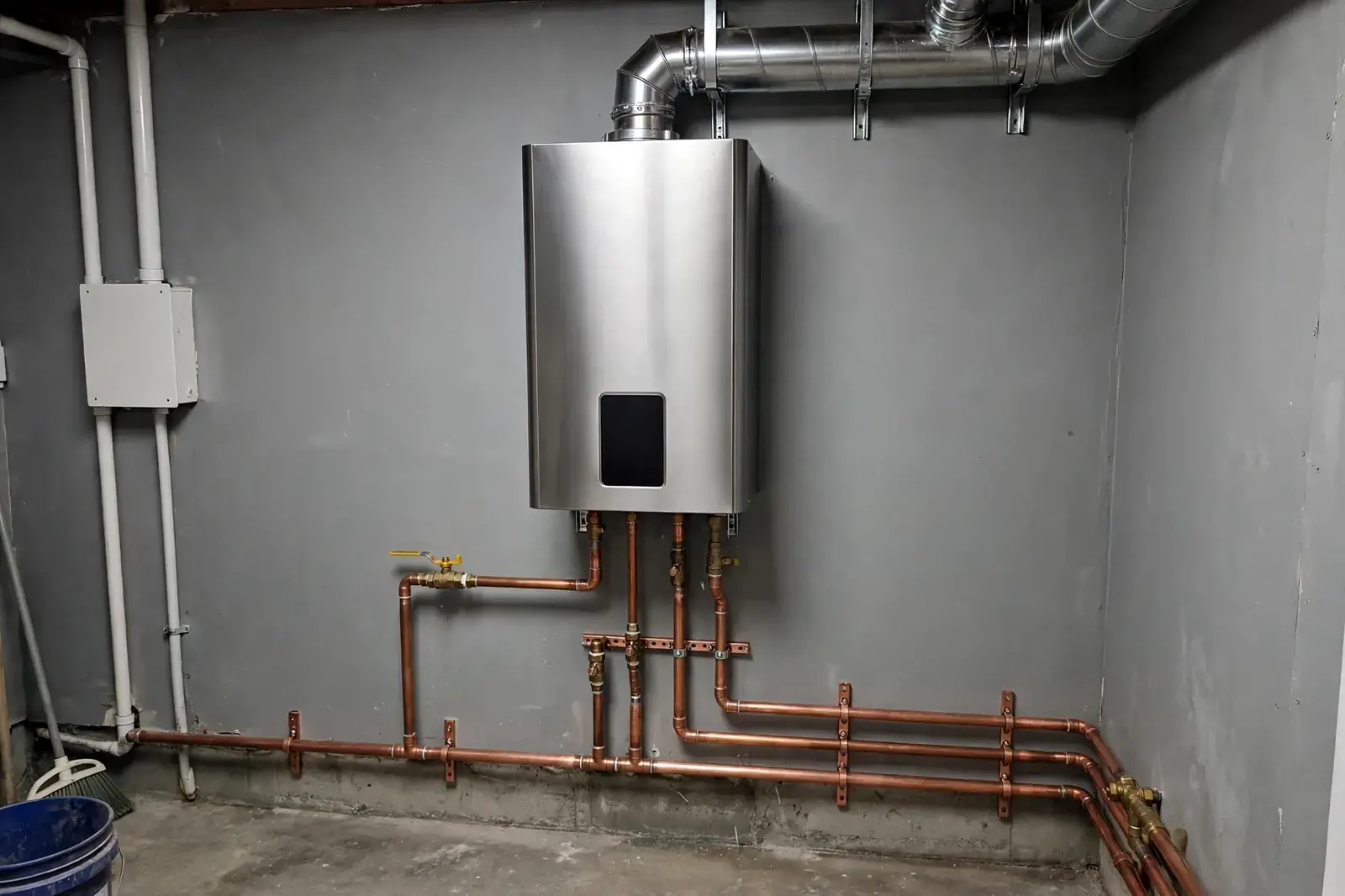
What shapes the cost of water heater installation in Willow Street?
Installation cost follows the unit chosen, the fuel arrangements and how much about the existing setup has to change. The main factors behind a Willow Street installation quote:
Unit type and size
A standard tank, a high recovery tank and a tankless unit are different purchases with different fitting requirements and running characteristics.
Fuel and venting
Keeping the same fuel and vent route is the simplest path. Switching fuels or rerouting a flue adds materials and labour.
Position and access
An open basement corner is straightforward. A tight closet, an attic or a long carry through a finished home adds time and care.
Supporting work
Drain pans, expansion tanks, new shutoff valves and pipe alterations are small items individually that together shape the final figure.
Ask for the quote to separate the unit itself from the fitting work and any supporting items, so you can compare like with like if you take a second view. You agree the full scope and price with the independent plumber before installation day is set.
Efficiency choices also live inside the installation figure, because tank insulation levels, recovery rates and tankless designs carry different purchase prices that repay differently over time. The plumber can lay out the practical differences for your household's usage pattern without sales pressure, and the right answer for a couple in a ranch differs honestly from the answer for a six person colonial in the Lampeter-Strasburg district.
Where else around Willow Street is heater installation available?
Installation arranged through this service is available throughout Willow Street and the surrounding southern Lancaster communities. The local entry point is the Willow Street, PA plumber page, the county service is set out at Water Heater Installation across Lancaster, PA, and if you are swapping out a failed unit rather than adding capacity, water heater replacement in Willow Street, PA is the closer match. The same installation service in towns nearby:
Whether the job is in a colonial off Eshelman Mill Road or a ranch near Kendig Square, booking starts the same way. Call (607) 305-8020, describe the home and what the new heater needs to serve, and one call connects you with an independent local plumber who can plan the fitting with you.
Bookings follow the same route for new build style additions, finished basement projects and straightforward first fittings across Willow Street, including the streets near the Hans Herr House and the lanes toward Pequea Township. Describing the project stage when you call, whether walls are open or the room is finished, helps the plumber plan whether the fitting is a single visit or part of a sequence with your other trades.
How does Plumbing Lancaster PA work?
Plumbing Lancaster PA works in 3 steps: call, describe, connect. We are a connection service, not a plumbing company, so the plumber who arrives is a local independent tradesperson, not our employee.
Call one number
Dial (607) 305-8020 any time. The line covers Lancaster city and the whole county service area.
Tell us the problem
Say what is leaking, clogged or cold, and which town you are in. Urgent jobs get flagged urgent.
Get connected locally
We connect you with a local plumber who takes the job. You agree scope and price with the plumber directly.
Need this done in Lancaster, PA?
Call (607) 305-8020 and tell us the problem and your town. We connect you with an independent local plumber who takes the job, and you agree the scope and price with the plumber before any work starts.
Call (607) 305-8020Water Heater Installation questions for Willow Street homeowners, answered
How does a plumber size a water heater for a Willow Street home?
Sizing starts with bathrooms, occupants and habits rather than the old tank's label. A colonial off Beaver Valley Pike with three bathrooms and teenagers needs more recovery capacity than a ranch with one bathroom and two occupants. Tankless units are sized on flow at peak moments instead. The plumber will ask about morning and evening routines in your Lampeter-Strasburg household before recommending a size.
Can I switch my Willow Street home from a tank to a tankless heater?
Usually, yes, but it is a change of system rather than a simple swap. Tankless units need adequate gas supply or electrical capacity, different venting, and a water line arrangement that suits them. Well water at the village fringes may also need treatment first to protect the unit. Ask the plumber to price the conversion work separately from the unit so the comparison with a new tank is honest.
Where do water heaters usually sit in Willow Street houses?
Mostly in basements, which the majority of the 1960s to 1990s subdivisions here have. Colonials tend to have a utility corner near the furnace, split-levels often use a closet on the lower level, and some ranches place the heater in a garage or laundry room. The location matters for installation cost, venting and how a future leak would behave, so it is part of the first conversation.
Do I need to do anything about water quality when a new heater goes in?
It is worth raising, particularly if the outgoing heater filled with sediment or its elements failed repeatedly. Homes on wells toward Pequea Township see the heaviest mineral load, but public water homes here also accumulate tank sediment over years. A new installation is the natural moment to discuss flushing routines or treatment, because the system is open and accessible.
How long is a Willow Street home without hot water during installation?
For a planned installation in an accessible basement, the water is typically off for the working portion of the visit, and hot water returns once the unit is filled and tested. Complications such as vent changes, fuel conversion or relocating the unit extend that window. Agree the expected downtime with the plumber when you book, especially in multi-generational Willow Valley households where hot water matters around the clock.
Who installs the heater when I book through this website?
An independent local plumber covering Willow Street carries out the installation and agrees the price with you directly. This site works as a connection service, not a plumbing firm. Calling (607) 305-8020 describes your home and requirements to the service, which connects you with the plumber who will size, quote and fit the unit.
Need water heater installation help in Willow Street?
Call (607) 305-8020 and describe the problem once. We connect you with an independent local plumber, and you agree the scope and price before work starts.