Home › Water Softener in Lancaster, PA › Water Softener in Marietta, PA
Water Softener in Marietta, PA
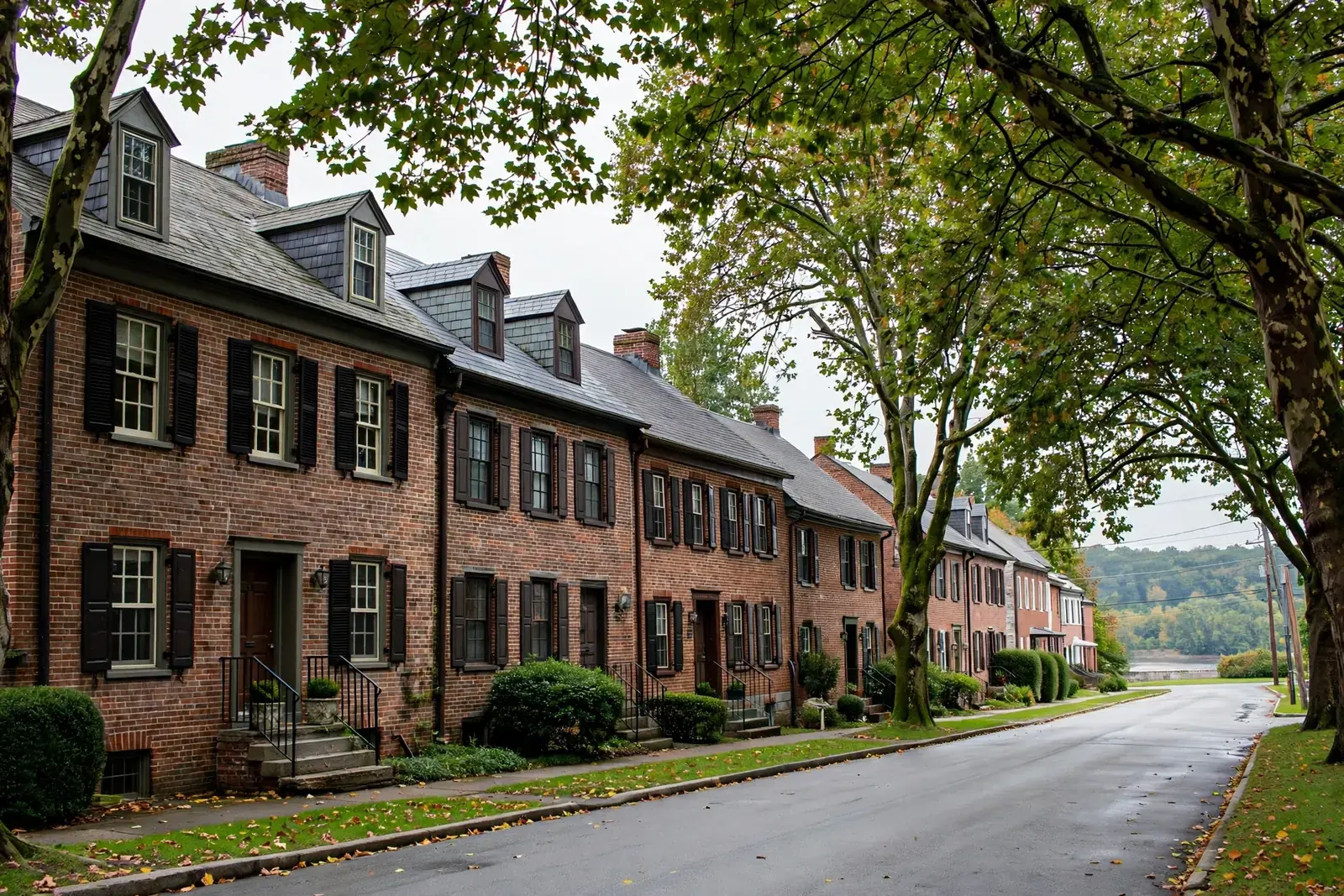
Water Softener in Marietta, PA is the fitting and servicing of a water softener that removes the calcium and magnesium causing hard water scale, sized to the household and plumbed into the incoming supply. Marietta is a Susquehanna River borough dating from 1812, built largely of historic brick rowhomes. Call (607) 305-8020, describe what is happening and which rooms or fixtures are involved, and we connect you with an independent local plumber covering Marietta. You agree the scope and the price with the plumber directly before work starts.
At a glance
What does a water softener do for a Marietta home?
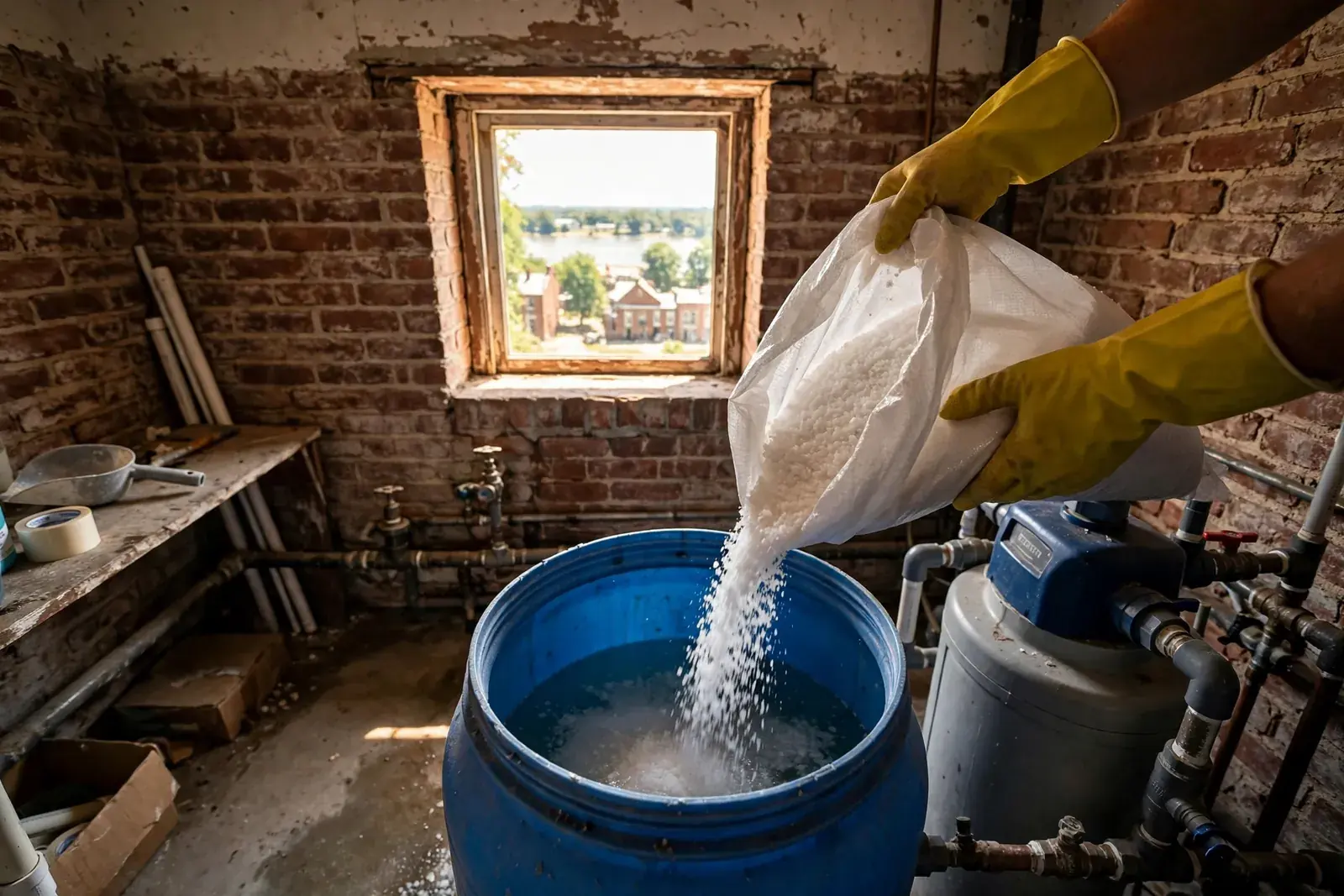
A water softener treats the whole home's water supply by removing the calcium and magnesium that cause limescale, using an ion exchange tank that swaps those minerals for sodium, so heaters, pipes, and appliances stop furring up. Softened water also lets soaps lather properly and leaves glass, taps, and shower screens without the chalky film hard water deposits.
Whether your Marietta home needs one begins with a test, not a sales pitch. The borough supply is treated water, and hardness levels are what they are: some households notice heavy scale on kettles and heater inefficiency, others barely any. The honest sequence is measure first, then decide. What is certain is the local cost of scale where it does build: Marietta homes heat water in cellars and cupboards where a furred, rumbling heater is expensive to run and slow to recover, and older pipework has enough narrowing problems without mineral deposits adding their own.
There is a visible geography to scale in a hard water home. The kettle furs first because it boils daily. Then the shower head sprays sideways as its holes narrow, the heater grows louder, and fine white grit begins appearing in tap aerators. By the time glassware clouds, the whole system has been depositing quietly for years. Homeowners in Marietta's older properties, where heaters hide in cellars and pipe runs are long, often meet the problem late, which is why a cheap hardness test early in the pattern beats a new heater later.
How can you tell whether your water needs softening?
Hard water leaves fingerprints everywhere water dries or heats, and a pattern of them, plus a simple test, makes the case for treatment. Look for this combination:
None of those alone proves hardness, since sediment and ageing appliances imitate some of them, which is why a hardness test on your actual supply settles the question in minutes. Results are expressed as a level the plumber uses to size equipment, not a vague verdict. In older Marietta houses, remember that existing scale inside pipes and heaters does not vanish when a softener arrives. Softened water prevents new deposits and slowly loosens some old ones, but a heater already choked with sediment may need attention in its own right.
How is a softener sized and installed in an older borough home?
Installation places the softener where the main supply enters, usually in the cellar in Marietta homes, with a bypass so the unit can be serviced, a drain connection for its regeneration cycle, and a brine tank alongside. Sizing follows the tested hardness, the number of bathrooms, and household occupancy, because an undersized unit regenerates constantly while an oversized one wastes salt and water.
Fitting in a borough home means threading new pipework into a cellar that may already host a furnace, a heater, laundry, and a century of alterations. The plumber agrees the position with you, keeps an outside tap on untreated water for the garden where wanted, and sets the regeneration schedule for the household's rhythm. After fitting, water at the taps is tested again so you can see the change measured, not just promised. You get shown salt filling, the bypass, and the controls in plain terms. Maintenance afterwards is light: keep salt topped up, and have the unit checked if water starts feeling hard again, which usually means a setting, a salt bridge, or a resin bed asking for attention.
Expect a settling period after fitting. Water already standing in the heater and pipes is untreated, so the full change arrives over the first days as the system turns over. Use noticeably less soap, shampoo, and detergent from the start, because softened water lathers generously and excess product is the commonest early complaint. Mark the salt check on a calendar until it becomes habit. If anyone in the household is on a medically restricted sodium intake, raise it during the survey, since arrangements like a separate untreated drinking tap can be planned in from the beginning.
What affects the cost of water softener work in Marietta?
Softener cost follows the size of unit your water and household demand, and how neatly it can join the existing plumbing. Marietta installations vary with:
Capacity the home requires
Hardness level, bathrooms, and occupants set the resin volume needed. Larger families on harder water need bigger units, which cost more to buy and to fit.
Position and pipework changes
A softener beside the main stop tap in an open cellar fits easily. Relocating pipework, or working in a cramped historic cellar corner, adds labour and materials.
Drain and bypass arrangements
The regeneration drain needs a suitable connection, and a proper bypass loop is part of a good installation. Creating those where none exist adds to the work.
Treatment extras discussed
Some households add a filter for taste or sediment alongside softening. Each extra is separate equipment with its own price, and should be quoted as its own line.
Ask for the hardness reading your quote is based on, in numbers. A plumber sizing from a test, rather than from habit, is the one to trust. You agree the installed price with that plumber directly.
Running costs belong in the decision too. A softener uses salt, some water during regeneration, and a little electricity, and those ongoing figures depend on the size fitted and your household's consumption. Ask the plumber to estimate them for your home rather than quoting best cases. For most households the exchange is favourable against descaling products, shortened appliance life, and heater inefficiency, but it should be your arithmetic, done openly, not a promise made at the door.
Where else near Marietta can softener help be arranged?
Softener assessment and installation cover Marietta in full, in historic homes and newer builds alike, and extend to the surrounding towns through the same service. Start with our plumber services in Marietta, PA for the borough list, continue to Lancaster County water softener for the county treatment picture, and if scale has already taken its toll on your heater, Marietta water heater repair may be the visit to arrange first.
Call (607) 305-8020 and mention the signs you have noticed, scale, cloudy glass, a rumbling heater, and whether a test has ever been done. One call connects you with an independent local plumber, and the conversation starts with measurement. In a town built on river water, treating the water inside the house deserves the same practical respect.
How does Plumbing Lancaster PA work?
Plumbing Lancaster PA works in 3 steps: call, describe, connect. We are a connection service, not a plumbing company, so the plumber who arrives is a local independent tradesperson, not our employee.
Call one number
Dial (607) 305-8020 any time. The line covers Lancaster city and the whole county service area.
Tell us the problem
Say what is leaking, clogged or cold, and which town you are in. Urgent jobs get flagged urgent.
Get connected locally
We connect you with a local plumber who takes the job. You agree scope and price with the plumber directly.
Need this done in Lancaster, PA?
Call (607) 305-8020 and tell us the problem and your town. We connect you with an independent local plumber who takes the job, and you agree the scope and price with the plumber before any work starts.
Call (607) 305-8020Water Softener questions, answered
How do I find out my home's actual hardness level?
A simple test, done on a sample from your own tap during the plumber's visit, gives a numeric reading in minutes. That number, not the neighbourhood's reputation, decides whether treatment is worthwhile and what size of unit fits. If you have paperwork from a previous test, have it ready. Borough supplies can vary in character over time, so a current reading beats an old assumption.
Will a softener remove the scale already inside my pipes and heater?
Expect prevention first. Softened water stops new scale forming and can gradually loosen lighter existing deposits as it passes, but a heater floor already buried in sediment, or pipework narrowed over decades in an older Marietta home, will not be restored by softening alone. The plumber can flush or treat those separately and tell you honestly how much recovery is realistic.
Does softened water taste salty or feel strange?
Properly set equipment adds a negligible amount of sodium, and most people cannot taste it. The noticeable change is texture: water feels smoother, soap rinses differently, and some households take a week to adjust to using far less detergent. Drinking water preferences vary, and an untreated tap for drinking can be kept if you prefer, which the plumber can arrange during installation.
What looking after does a softener need?
Mainly salt. Keep the brine tank topped up with softener salt, check it every month or so, and break up any salt crust that bridges over the water. Beyond that, an occasional check that regeneration runs and the water still tests soft is enough. Resin beds last for years. If hardness creeps back, settings or salt are the usual culprits, not a failed unit.
Where can a softener fit in a small historic cellar?
Units are tall but narrow, and plumbers who work in Marietta are used to cellars shared with furnaces, heaters, and laundry in homes built long before softeners existed. The essentials are access to the main supply, a drain for regeneration, and room to fill salt. The survey visit includes measuring and agreeing the spot, so there are no surprises on fitting day.
How do I arrange a hardness test and quote?
Call (607) 305-8020 and describe the scale problems you are seeing. The service connects you with an independent plumber covering Marietta, who tests your water, recommends sizing based on the result, and agrees the installed price with you directly. This site makes the connection only, and if the test shows softening is unnecessary, you should hear that too.
Need water softener in Marietta?
Call (607) 305-8020 and describe the job once. We connect you with an independent local plumber covering Marietta, and you agree scope and price with the plumber before work starts.