Home › Water Softener in Lancaster, PA › Water Softener in Mount Joy, PA
Water Softener in Mount Joy, PA
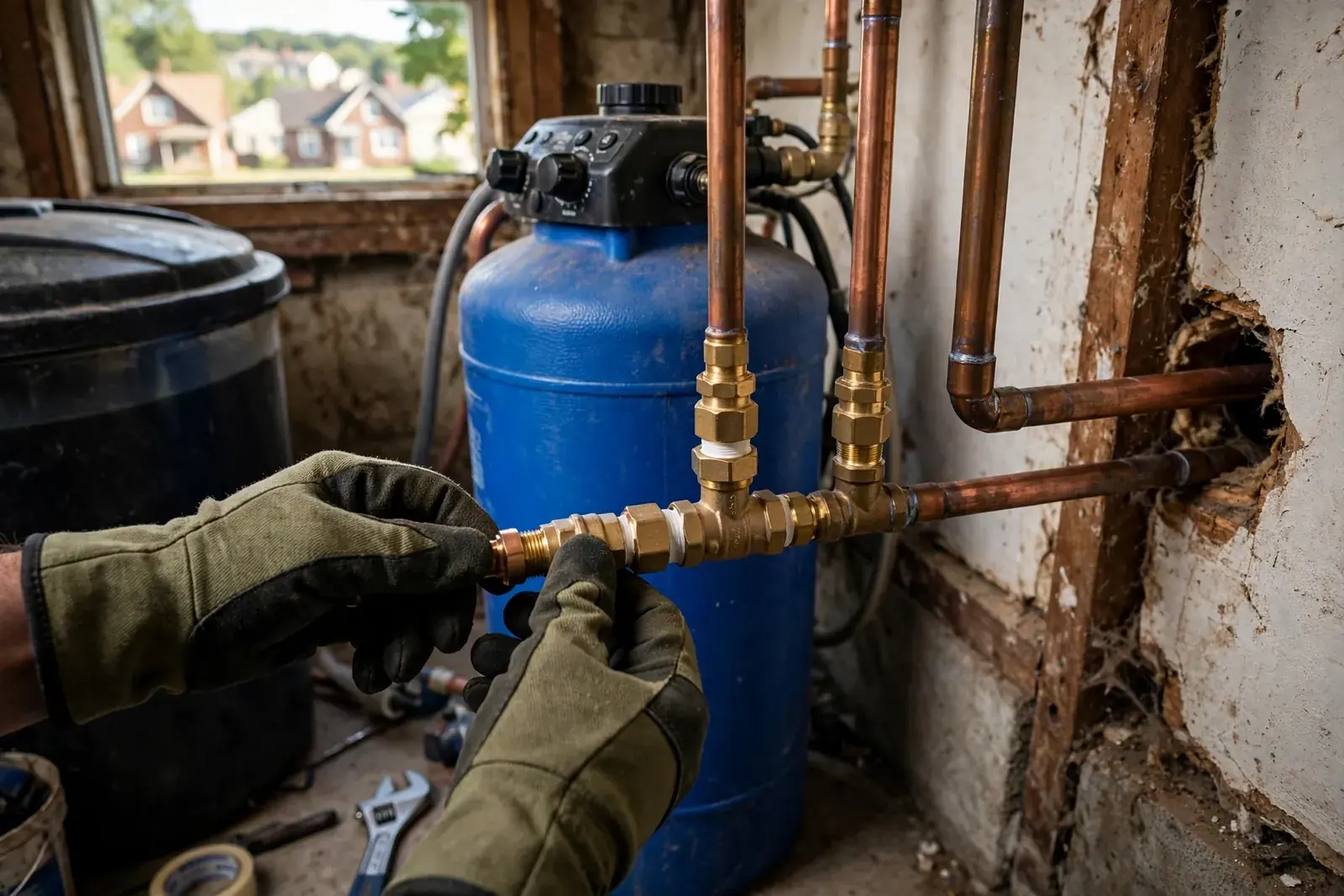
Water softener work in Mount Joy covers the installation and servicing of a system that removes the calcium and magnesium that make water hard, using an ion exchange tank and a brine tank. Soft water stops scale from building inside water heaters, on elements, and inside valves and faucets. A softener is sized to the household and the hardness of the supply, and set to regenerate on a schedule that matches actual use. Call (607) 305-8020, describe the problem and your part of Mount Joy, and we connect you with an independent local plumber. You agree scope and price with the plumber directly before work starts.
At a glance
What does water softener installation and service do in Mount Joy?
Water softener installation and service means fitting and maintaining equipment that removes the calcium and magnesium responsible for hard water, using an ion exchange vessel and brine tank sized to your household and your water's measured hardness. Softening is not filtration and it is not a cure for every water complaint. It does one job, taking hardness minerals out before they can deposit in pipes, heaters and appliances.
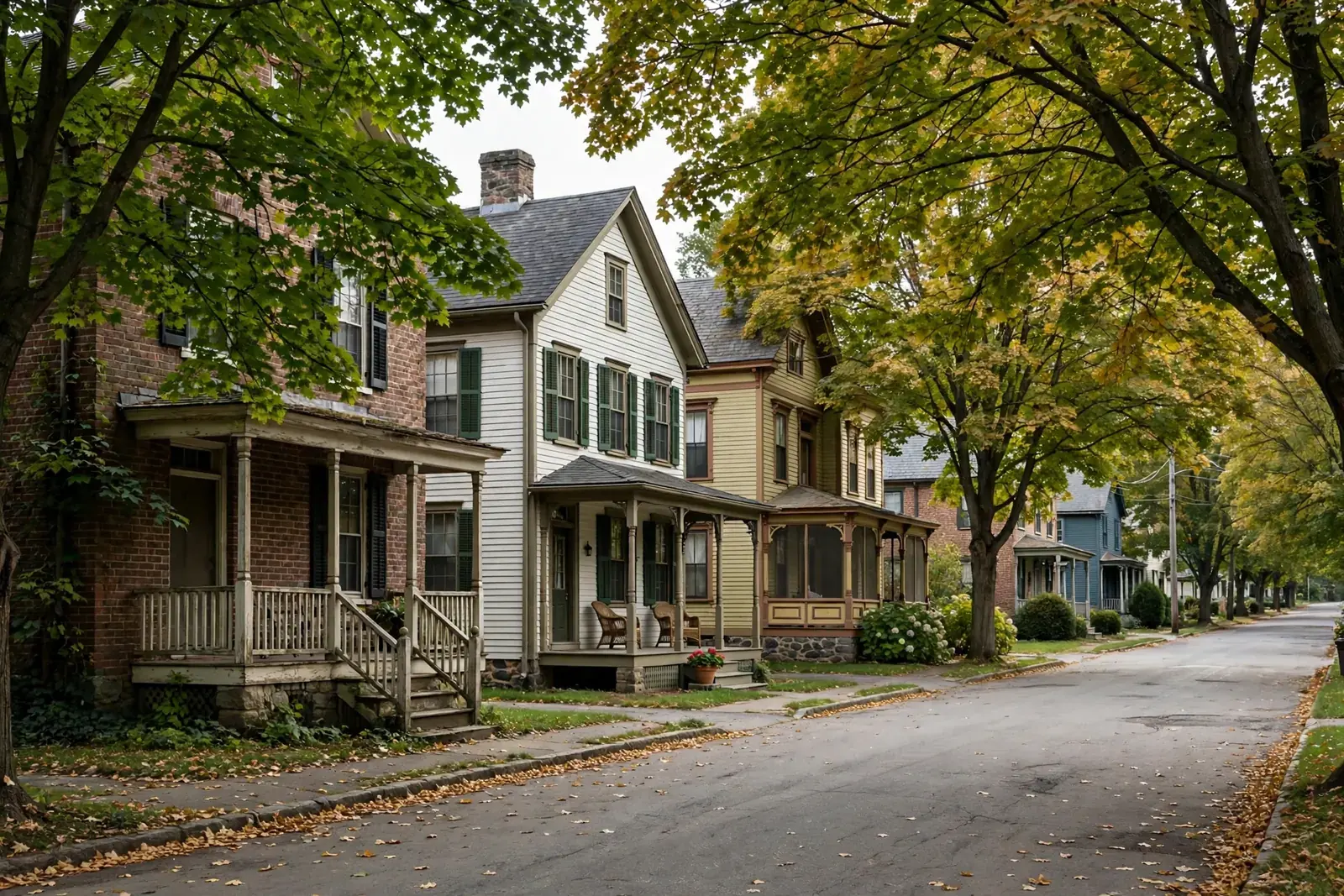
Mount Joy homes draw water two ways. Most of the borough sits on public supply, while properties on the township fringe use private wells, and hardness, along with iron and sediment, varies between the two and even between streets. Centre borough homes from the 1800s may show decades of scale history in their pipework. Mid century Florin homes and the subdivisions toward Route 283 start from cleaner plumbing but still feed the same mineral water to modern appliances that tolerate scale poorly. If your kettle furs, your glassware spots and your heater works harder than it should, call (607) 305-8020. One call connects you with an independent local plumber who should begin with a water test, not a catalogue.
Set expectations in the right places and a softener delights. Scale stops forming at its old rate, soap behaves the way its makers intended, laundry and glassware improve, and heaters and showerheads stay cleaner for longer. What it will not do is polish away staining that comes from iron, remove sediment, or correct water that tastes of its treatment at the plant. A plumber who separates those promises during the first conversation is giving you the honest shape of the equipment rather than a sales version of it.
How does hard water make itself known around a house?
Hard water leaves a diary of itself all over a house, written in mineral deposits. The entries are familiar:
The deposits are chemistry made visible. When hard water is heated or evaporates, its minerals come out of solution and settle as scale, which is why heaters, showerheads and kettles suffer first and worst. Inside a heater, scale insulates the water from the heat source and shortens the appliance's life. In supply pipework it narrows runs slowly. Well homes near the borough edge may add iron staining and sediment to the same picture, and those companions matter, because a softener alone does not address all of them.
Existing scale has its own afterlife once soft water arrives. Softened water is mildly hungry for mineral, and over months it can slowly dissolve loose deposits in pipework and on fixtures, which is why some households notice flakes in aerators during the early period after fitting. This is normal and temporary. What will not reverse is the wear scale already caused inside an older heater in the borough centre. The softener changes the future chemistry of the house, not its past.
How is a softener chosen, fitted and looked after?
Everything starts with testing the water as it actually arrives at your house. A hardness figure, plus checks for iron and other relevant content, decides the size of unit and whether any treatment needs to sit ahead of the softener. Guessing from a neighbour's result is poor practice in a town where borough supply and wells sit side by side.
Fitting follows a practical sequence. The unit is placed where the main supply enters, so the whole house receives softened water, with a bypass so the system can be isolated for service. It is plumbed in, connected to a drain for its regeneration cycle and to power where the controls need it, then commissioned with the hardness and household demand set into its controls. The plumber should walk you through salt, settings and what regeneration sounds like, because a softener is equipment you live with. Service visits after that cover settings drift, salt bridging in the brine tank, resin condition and the valves, keeping the system doing the job the test originally specified. In older Mount Joy homes, expectations are set honestly. Softening protects what comes next, but it does not strip decades of existing scale out of old pipework overnight.
Salt choice and storage are the small logistics nobody mentions until the first refill. Bags are heavy, the tank wants filling before it is empty, and a store of salt needs a dry corner near the unit. In a low Florin cellar or a compact utility room, plan that corner during installation rather than discovering the problem with a bag on your shoulder. Your installer can suggest a rhythm for checking levels that matches how much water your household actually uses.
What affects the cost of softening a home's water?
The figure is driven by your water, your household and what already stands at the point of entry. The main influences:
Measured hardness and household demand
Harder water and a larger family both call for greater capacity, because the unit must soften everything drawn between regenerations.
What else is in the water
Iron or sediment, more common on fringe wells, may need treatment ahead of the softener, which is additional equipment with its own scope.
Space and connections at entry
A utility area with room, power and a drain nearby accepts a unit readily. A cramped centre borough cellar can need plumbing rearranged to fit it properly.
Service needs of an existing system
A tired softener may need parts, resin or settings work rather than replacement, and testing decides which conversation you are actually having.
Scope and price are agreed with the plumber after the water has been tested, and any figure offered before a test result exists should be treated as provisional, because the test is what sizes the system.
If your household includes a garden that matters, discuss the outside tap during the design. Many homes keep the garden supply unsoftened, which saves salt and suits plants, and that is a routing decision made while the unit is being plumbed in, not afterwards. The same conversation covers drinking water preferences and any aquarium, brewing or similar hobby use in the house. A softener serves the whole property, so the whole property's habits belong in its plan.
Where else near Mount Joy can softener work be arranged?
Softener installation and service through this number covers Mount Joy and nearby towns. The plumber services in Mount Joy, PA page sets out the local picture in full. For the county framing, see water softener installation and service in Lancaster, PA. If scale has already taken a toll on your heater, the related service worth reading is Mount Joy water heater repair. Call (607) 305-8020, say whether you are on borough supply or a well and what symptoms you are seeing, and you will be connected from there. Also reached through the same route:
Farms and homes well outside the borough, where water arrives from deeper wells with their own mineral character, are tested and sized through the same route, with treatment ahead of the softener discussed wherever the results call for it.
How does Plumbing Lancaster PA work?
Plumbing Lancaster PA works in 3 steps: call, describe, connect. We are a connection service, not a plumbing company, so the plumber who arrives is a local independent tradesperson, not our employee.
Call one number
Dial (607) 305-8020 any time. The line covers Lancaster city and the whole county service area.
Tell us the problem
Say what is leaking, clogged or cold, and which town you are in. Urgent jobs get flagged urgent.
Get connected locally
We connect you with a local plumber who takes the job. You agree scope and price with the plumber directly.
Need this done in Lancaster, PA?
Call (607) 305-8020 and tell us the problem and your town. We connect you with an independent local plumber who takes the job, and you agree the scope and price with the plumber before any work starts.
Call (607) 305-8020Water Softener in Mount Joy: questions, answered
How can I tell if my Mount Joy water is hard enough to bother softening?
Start with the evidence around you, scale on the kettle and showerhead, spotted glass, soap that will not lather, then confirm it with a test. Borough supply and private wells differ, and a number on your own water is what sizes any system. Without a test, a recommendation is guesswork, however confident it sounds.
Will a softener help my water heater last longer?
It addresses one of the main things that ages a heater early. Without hardness minerals arriving daily, scale builds far more slowly on elements and tank surfaces, so the unit heats more efficiently and quietly. It will not undo scale already present in an older Main Street home, but it changes what the heater faces from installation onward.
Does softened water taste different or feel different?
Many people notice the feel first. Soap lathers readily, rinsing feels cleaner, and washed hair and laundry behave differently. Taste is a smaller change and varies by person. Some households keep one unsoftened tap for drinking and garden use, which is a plumbing choice your installer can set up during fitting if you prefer it.
What regular care does a softener need from me?
Mainly salt. Keep the brine tank topped up with the right salt and check it on a routine rather than when the water turns hard again. Beyond that, settings occasionally drift, salt can bridge into a crust that stops it dissolving, and periodic professional service keeps the valves and resin bed working as the original test intended.
My well water leaves orange staining. Is that a softener problem?
Orange staining usually indicates iron, which is a companion issue rather than hardness itself. Some iron can be handled with the right setup, but it often needs treatment ahead of or alongside softening, otherwise it fouls the softener resin. Fringe homes on wells should have iron measured in the initial test so the system is designed for the whole picture.
Can a softener be fitted in a small older basement?
Usually, with planning. The unit needs a position on the incoming main, a drain for regeneration and often a power point, plus headroom to fill the salt tank. Low centre borough cellars can be tight, but a site look before quoting will establish what fits. Do not accept a size recommendation for your Florin home without that look and a water test.
Need water softener installation and service in Mount Joy, PA?
Call (607) 305-8020 and describe the job and where you are in Mount Joy. We connect you with an independent local plumber, and you agree scope and price with them before work starts.