Home › Water Softener in Lancaster, PA › Water Softener in Strasburg, PA
Water Softener in Strasburg, PA
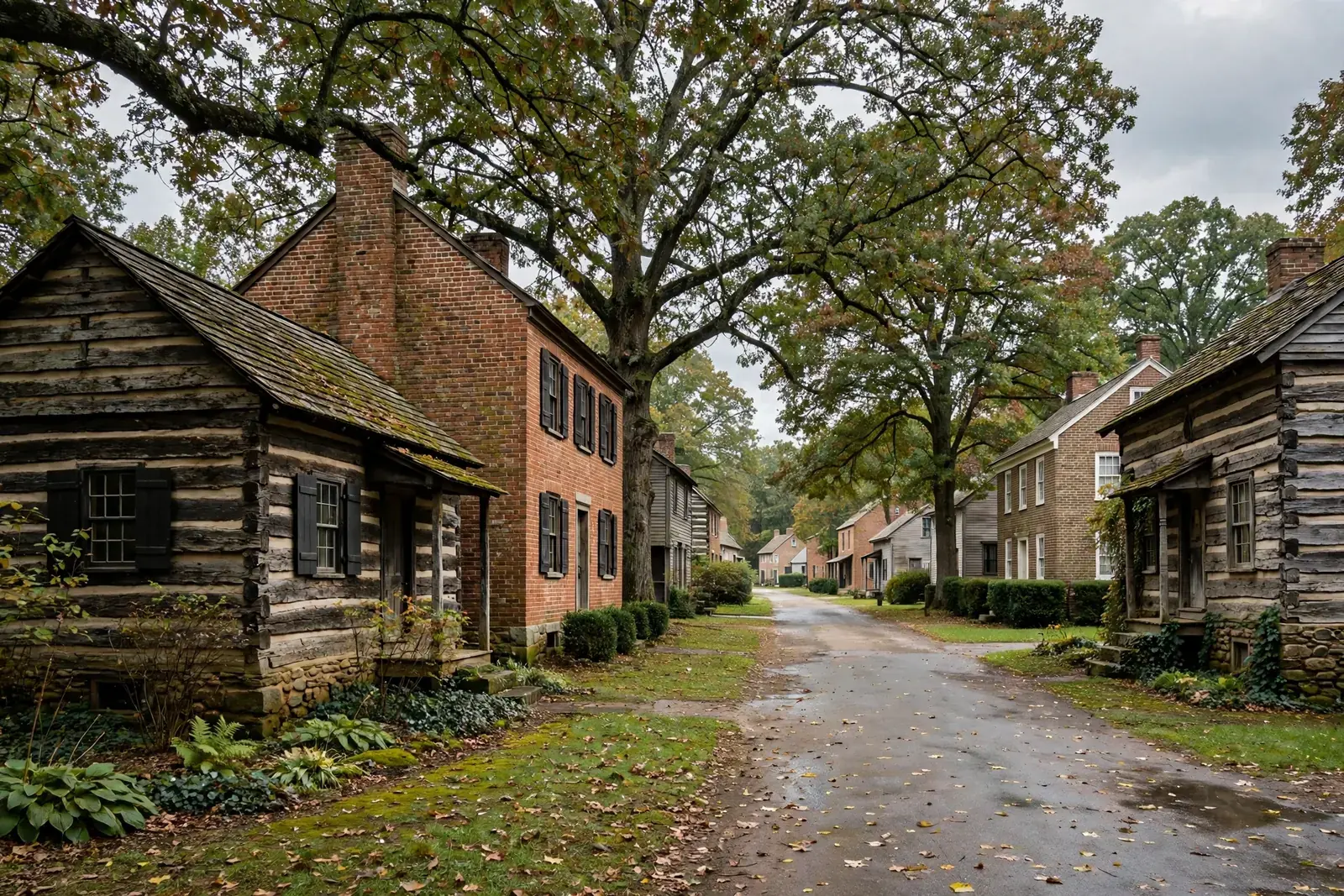
Water Softener in Strasburg, PA is the treatment of hard water by ion exchange, removing the calcium and magnesium that form scale, fitted on the incoming supply so the whole home benefits, covering the unit, its drain and bypass, and setup for the water actually entering the house. In Strasburg, that work most often involves historic stone, log and brick homes, with borough sewer in town and wells with septic beyond it. Call (607) 305-8020, describe the problem and the property, and we connect you with an independent local plumber. You agree scope and price with the plumber before work starts.
At a glance
What does a water softener do for a Strasburg home?
A water softener is equipment that strips the calcium and magnesium out of a home's water supply as it enters, exchanging them for a trace of sodium, so the water stops laying scale in pipes, heaters and appliances and stops fighting soap in every sink and shower. It treats the whole house from one point on the main.
Strasburg water arrives hard from both directions. Inside the borough, the municipal supply carries the mineral signature of the limestone country it is drawn from. Outside the borough line, the wells serving farms along Routes 741 and 896 and down toward Pequea Creek draw on the same geology, often harder still and with iron sometimes riding along. The evidence accumulates in every property in town: kettles furred white, heater tanks filling with sediment, shower heads crusting shut, glassware clouding out of the dishwasher. In the borough's older houses the stakes are higher than cosmetics, because scale narrows the galvanized pipe that survives in many Main Street and Decatur Street walls, and shortens the life of every water heater fitted since. Lodging properties feel it in laundry alone, with linen washing harsh and boilers working harder than they should. A softener sized to the household and the measured hardness, set up correctly and given a drain and a power point, quietly reverses all of that. One call to (607) 305-8020 connects you with an independent local plumber who will test your water first, because softening by guesswork helps nobody.
How does hard water show itself around Strasburg properties?
Hard water is visible everywhere once you look: it is the crust, the spot, the stiff towel and the heater that dies young. The signs below, taken together, make the case for testing rather than assuming.
A simple hardness test, done at the kitchen tap, puts a number on the problem. That number, plus the household's water use, is what sizes the equipment, so ask for the test before anyone quotes a model.
How is a water softener installed in a Strasburg home?
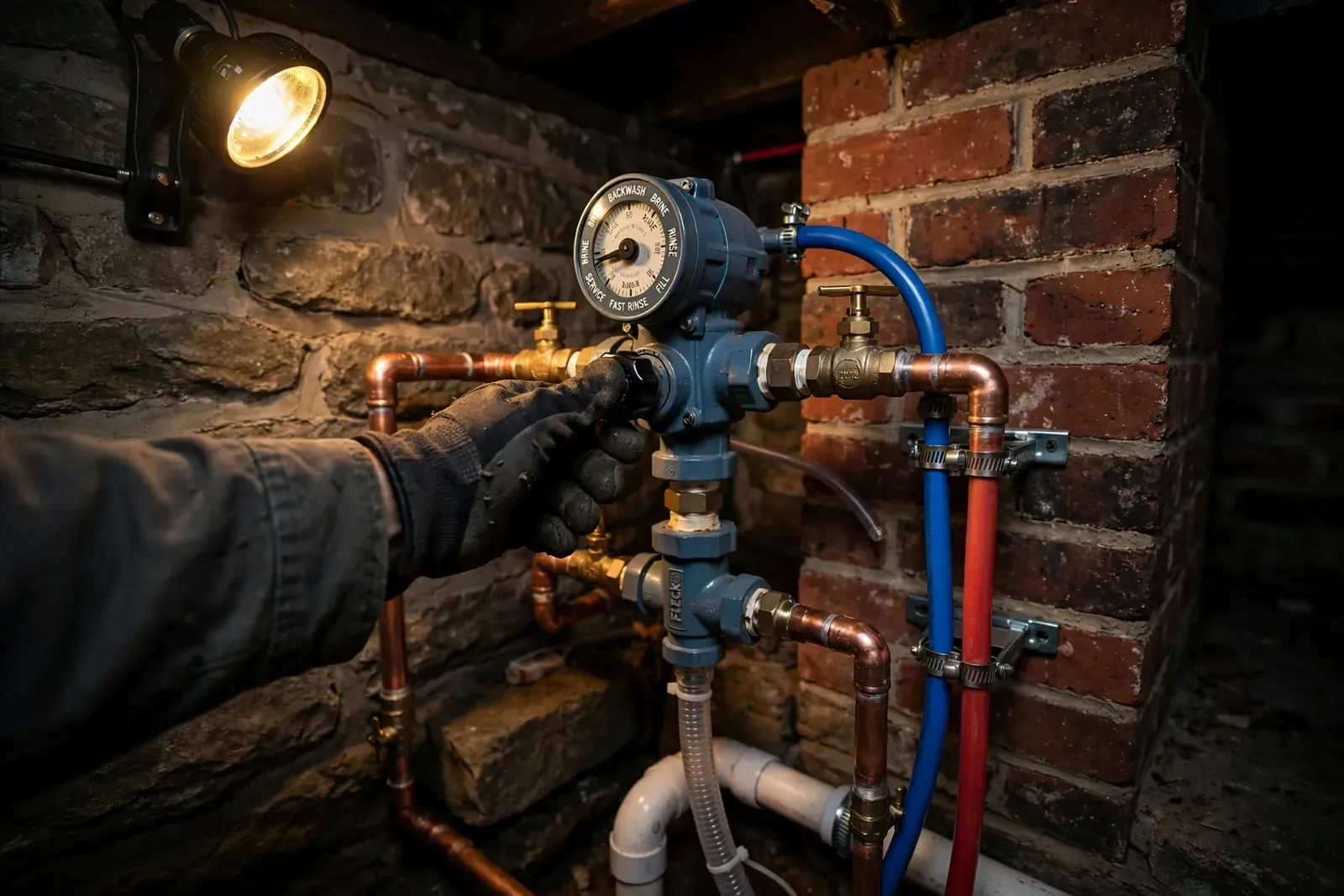
Installation places the softener on the incoming main, usually near where the supply enters the house, with a bypass so the unit can be isolated, a drain for its regeneration cycle, and a nearby power point. The water is tested, the unit programmed to your hardness and household, and the system flushed before handover.
Position is the first decision, and in Strasburg's older homes it takes some thought: the spot must sit on the main before the branches divide, yet the low stone cellars and tight utility spaces of the borough do not always offer an obvious corner. Outside taps and garden lines are usually left unsoftened deliberately, and some households keep one drinking tap on hard water by preference, both of which the pipework plan accommodates. On well properties the survey widens, because iron and sediment may need treatment ahead of the softener to stop them fouling it, and the water test covers those as well. The fitting itself cuts the main, sets the vessel and brine tank level and stable, which on an old cellar floor is not a given, runs the drain line for the backwash cycle, and connects power. Programming matters as much as plumbing: regeneration set for the measured hardness and the home's actual consumption saves salt and water over the unit's life. Inns and larger properties in the Lampeter Strasburg area may need a higher capacity vessel or twin tanks so regeneration never softens nothing at peak hour, and the survey sizes for the busiest morning, not the average day. You are left shown how to add salt, read the settings and bypass the unit if ever needed.
Expect a settling in period after fitting, and do not judge the water on the first day. Existing scale in kettles and on shower glass stops growing immediately but only wears away gradually, and the hot water system holds a tankful or more of the old hard water that must work its way through before showers feel different. Within a couple of weeks the changes declare themselves: lather that rinses clean, laundry that dries softer, a kettle that stays bright. In Strasburg's lodging properties the laundry difference alone often settles the argument, since linen washed in softened water lasts longer and feels better against the skin. Keep the installer's note of your hardness reading and settings; if the household grows, a bathroom is added, or guests become regular, the programming can be revisited against those original numbers.
What shapes the cost of water softener installation in Strasburg?
Softener pricing follows capacity, water chemistry and the plumbing around the fitting point. A straightforward borough installation and a well system needing pre treatment are different projects wearing the same name.
Capacity for the household
The vessel is sized from hardness and daily use. More bathrooms, more people and guest occupancy all push capacity, and with it price, upward.
What else is in the water
Iron, sediment or acidity found in farm well water may need filtration or treatment ahead of the softener, adding equipment but protecting everything downstream.
Fitting point conditions
A main that is easy to reach in a modern utility space fits quickly. Cutting into old galvanized in a cramped Strasburg cellar, and arranging drain and power there, takes longer.
Bypass and drinking tap arrangements
Keeping garden lines and a chosen drinking tap on unsoftened water adds pipework to the plan, a small cost most households judge worth paying.
Ask for the water test result to be quoted alongside the equipment, so the recommendation is tied to evidence. You agree the scope and the price with the independent plumber before the main is cut.
Where else near Strasburg can a water softener be fitted?
Softener fitting is available across the neighbouring towns too, on borough supplies and private wells alike, since the whole district shares the same limestone water. One arrangement covers the testing as well as the fitting. The plumber services in Strasburg, PA hub gathers local services, water softener in the Lancaster area gives the county picture, and if hard water has already shortened a heater's life, Strasburg water heater repair deals with the consequences.
Call (607) 305-8020, say whether you are on borough water or a well, and one call connects you with an independent local plumber who will test and quote. The scope and price are agreed with the plumber directly before installation.
How does Plumbing Lancaster PA work?
Plumbing Lancaster PA works in 3 steps: call, describe, connect. We are a connection service, not a plumbing company, so the plumber who arrives is a local independent tradesperson, not our employee.
Call one number
Dial (607) 305-8020 any time. The line covers Lancaster city and the whole county service area.
Tell us the problem
Say what is leaking, clogged or cold, and which town you are in. Urgent jobs get flagged urgent.
Get connected locally
We connect you with a local plumber who takes the job. You agree scope and price with the plumber directly.
Need this done in Lancaster, PA?
Call (607) 305-8020 and tell us the problem and your town. We connect you with an independent local plumber who takes the job, and you agree the scope and price with the plumber before any work starts.
Call (607) 305-8020Water Softener in Strasburg: questions, answered
Is Strasburg borough water really hard enough to need a softener?
For most households the evidence says yes: scale on fittings, sediment in heaters and clouded glassware are borough wide experiences, rooted in the limestone the supply is drawn from. Whether it justifies equipment depends on the measured hardness and how much the effects bother you. A test at your own tap settles the argument with a number, and any quote should start there rather than with a brochure.
Will softened water taste salty or be bad for drinking?
Properly set up, softened water does not taste salty; the sodium added is small and most people notice only that soap behaves better. Those watching sodium intake closely sometimes keep one kitchen tap on unsoftened water, which is a simple pipework choice at installation. Tell the plumber your preference during the survey and the plan will include it, along with leaving the garden supply unsoftened, which plants prefer.
Does a softener help the old galvanized pipes in our Strasburg house?
It stops making their problem worse. Existing scale inside galvanized runs will soften and loosen only gradually, but no new scale is added, and heaters, valves and appliances stop accumulating it immediately. If the old pipe is already narrowed to a whisper, softening will not restore its bore; that is repiping territory. The plumber can judge from pressure and any exposed sections which conversation your house needs.
What upkeep does a softener need once fitted?
Mainly salt: keeping the brine tank topped up, with a bag lasting weeks to months depending on use and hardness, plus an occasional clean and a settings check if household size changes. Regeneration is automatic. On well systems, any pre filters ahead of the softener need their elements changed on schedule. The installer should leave you with the routine written down and the bypass operation demonstrated.
Our Strasburg guest house does huge amounts of laundry. What size softener fits?
Lodging laundry is the heavyweight demand in this area, so capacity is sized on your busiest changeover day, not a quiet average: more linen, more showers, more regeneration. Twin tank systems exist for properties that cannot pause softening while a vessel regenerates. Give the plumber your room count and laundry pattern, and expect the recommendation to follow those numbers rather than the building's size.
Can a softener be fitted in a small stone cellar with no drain nearby?
Usually, with planning. The unit needs a drain for its regeneration backwash, which can often be run to an existing waste point or laundry sink with a modest length of pipe; where gravity refuses, a small pump solves it. Space and a power point are the other requirements. Cellars in the borough's older homes have accommodated all three before, and the survey confirms the route before you commit.
Need water softener in Strasburg, PA?
Call (607) 305-8020 and describe the problem and the property. We connect you with an independent local plumber, and you agree scope and price before work starts.