Home › Water Softener in Lancaster, PA › Water Softener in Willow Street, PA
Water Softener in Willow Street, PA
In Willow Street, PA, a water softener is a unit fitted to a home's incoming water supply that removes the calcium and magnesium causing hardness, using resin and a salt based regeneration cycle, so the water reaching heaters and fixtures carries far less scale forming mineral. You need one when scale crusts fixtures and kettles, water heaters and dishwashers age early, laundry comes out stiff, or you are tired of scrubbing mineral marks off every surface water touches. Call (607) 305-8020 and describe the problem, the room or line involved, and how your home is built. We connect you with an independent local plumber, and you agree the scope and price with that plumber before work starts.
At a glance
What does a water softener do for a Willow Street home?
A water softener removes the calcium and magnesium that make water hard, exchanging them for sodium or potassium as water passes through a resin bed, so scale stops forming in pipes, heaters and appliances. Installation places the unit where the supply enters the home so the whole system is treated.
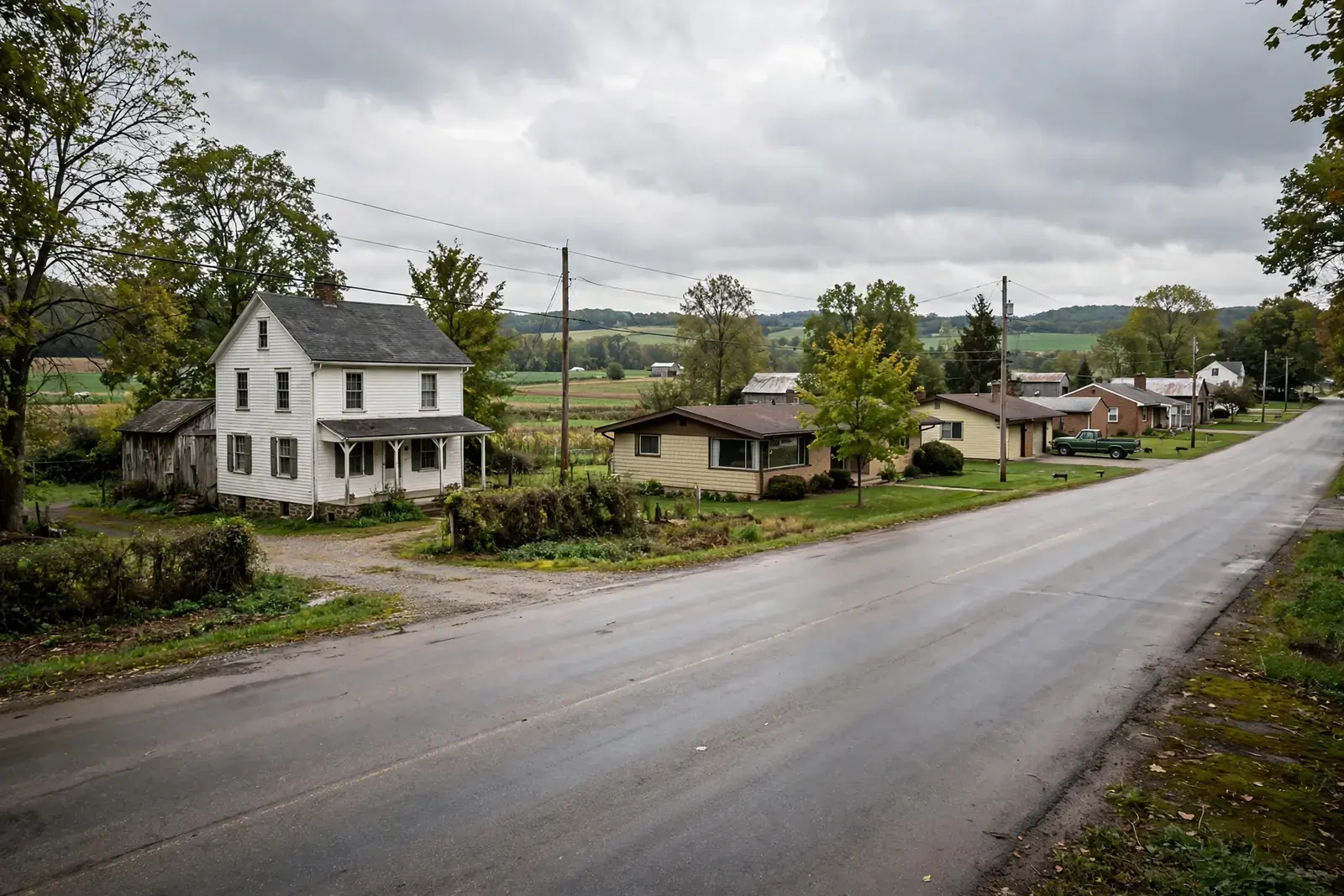
Hard water is a fact of geology in this corner of Lancaster County, and Willow Street feels it on both of its supplies. Most subdivisions here, the split-levels, colonials and ranches built from the 1960s to the 1990s, draw public water with a noticeable mineral content, while homes at the rural fringes between the Amish farms run wells that are often harder still. The evidence accumulates across the whole house: kettle elements furring, heater tanks filling with sediment, shower heads narrowing. For Willow Valley households and family homes alike, the question is rarely whether the water is hard, it is whether the household's tolerance for its effects has run out. A softener addresses the cause rather than the recurring symptoms.
Testing is the honest starting point, because hardness varies more than neighbours expect. Two Willow Street homes streets apart, one on public supply and one on a well toward the farms, can sit at noticeably different hardness levels, and even public water hardness shifts with source blending. A softener sized on a guess is a softener sized wrong, so the measurement taken at your own kitchen tap is the foundation of the whole recommendation.
How can Willow Street households tell their water is hard?
Hard water leaves a consistent trail of mineral evidence around a home, on glass, fabric, fixtures and inside appliances. The pattern across several places confirms it better than any single sign.
Willow Street homeowners often connect the dots during another job: a heater replacement off Penn Grant Road where the old tank drains gravel, or a shower head on Eshelman Mill Road that has narrowed to a spray of needles. Spot remedies, descaling kettles and scrubbing shower glass, treat one surface at a time. A softener treats the water itself, which is why its effects show up in rooms the unit never enters.
The effects of softening arrive gradually after installation, which surprises some households. Existing scale in kettles and shower heads does not dissolve overnight, though it stops growing and slowly loosens with cleaning, while soap, laundry and glassware improve immediately. Heaters benefit from the day of fitting onward, since no new sediment joins what is already in the tank, a point worth grasping for the mid-life heaters all over these subdivisions.
How is a water softener installed in a Willow Street home?
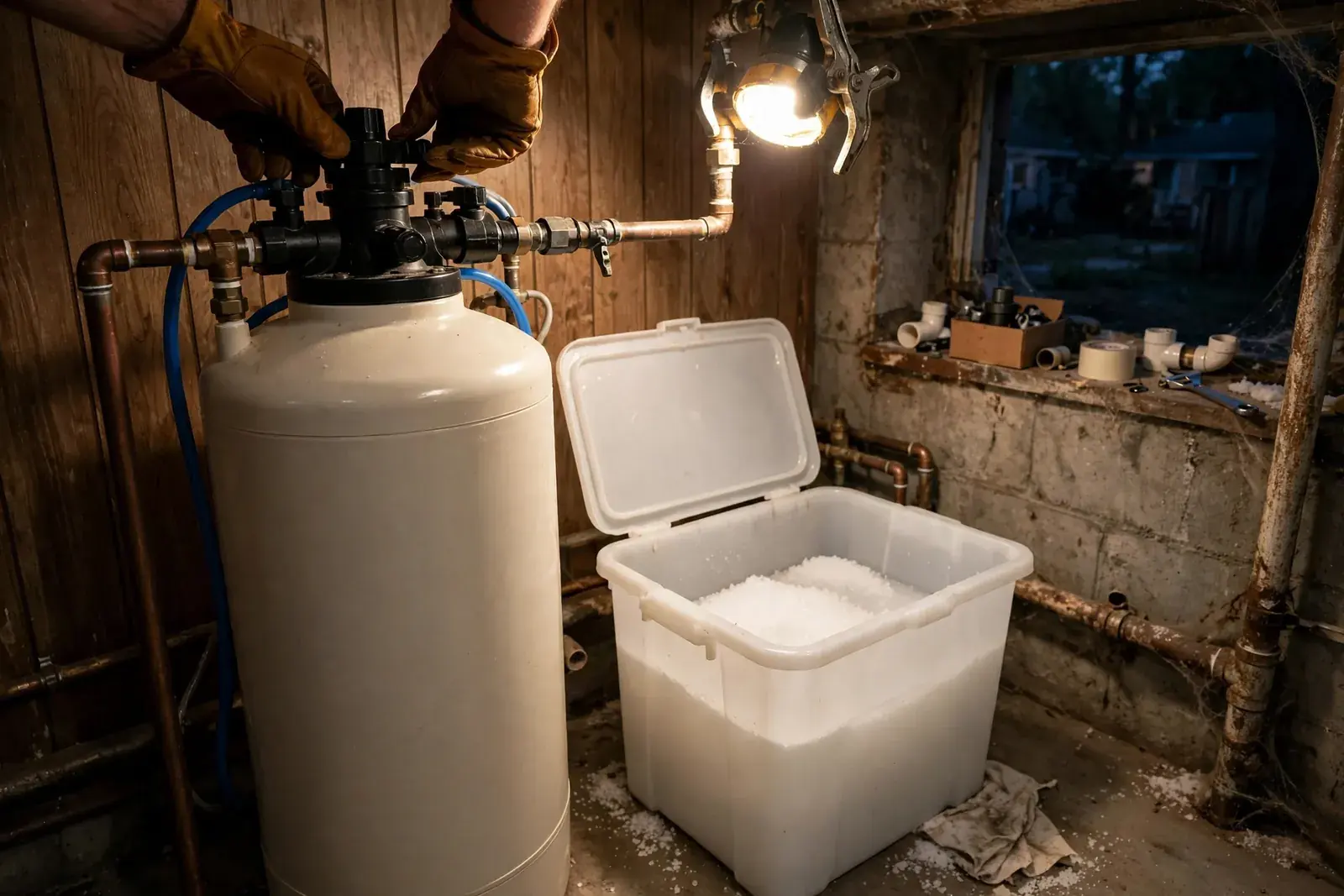
The plumber tests the water's hardness, sizes a unit to the household, and installs it on the incoming main with a bypass, a drain for regeneration and a brine tank, then sets the regeneration cycle to the home's usage. Treated and untreated lines are arranged so outdoor taps can stay on hard water if preferred.
Placement in Willow Street homes usually means the basement utility area near where the main enters, beside the heater and, on well properties, after the pressure tank and any sediment filtration. Sizing depends on occupants and hardness together: a large Lampeter-Strasburg family home uses more water and needs more resin capacity between regenerations. The drain route for regeneration water needs planning, particularly for septic homes at the fringes, where the discharge volume is part of the design conversation. After fitting, expect the plumber to test treated water at a tap, set the controls, and explain salt refilling, which becomes the household's one routine task.
Salt and settings are the household's part of the bargain. Keeping the brine tank supplied is a minutes per month task, and the plumber should leave you knowing the salt type, the fill level and the regeneration settings chosen for your usage. In Willow Valley homes, where the person maintaining the unit may differ from the person who booked it, that handover explanation matters and should be written down.
What shapes the cost of a water softener in Willow Street?
Softener cost follows the unit's capacity, the hardness it must handle and the plumbing arrangements where it will sit. The factors behind a Willow Street quote:
Capacity and household size
A unit is sized on occupants and measured hardness. Bigger families and harder well water need more resin capacity.
Installation position
A main entering an open basement utility area fits easily. Tight or distant locations add pipework to loop the supply through the unit.
Drain and power provision
Regeneration needs a drain route and most units need a socket nearby, and providing either where none exists adds work.
Existing pipework condition
Connecting into 40 to 60 year old copper in sound condition is routine. Corroded or awkward runs may need sections renewed as part of the job.
Ask for the hardness measurement behind any recommended size, and ask what stays on hard water, such as outdoor taps, under the proposed layout. You agree the scope and price with the independent plumber directly before installation.
Environmental and drainage details also sit inside the quote. Regeneration frequency follows hardness and usage, so a correctly sized unit regenerates no more often than your water demands, using less salt and water over the year. Where the home drains to septic at the village fringes, the discharge plan is part of sizing too, not an afterthought discovered once the unit is already plumbed in.
Where else around Willow Street is softener fitting available?
Softener fitting through this service is available across Willow Street and the surrounding southern Lancaster communities. Start with the plumber services in Willow Street, PA page for local plumbing generally, view the county service at Lancaster water softener hub, and since heaters suffer most from hard water, Willow Street water heater repair is the related read. The same fitting service in nearby towns:
From a well home on a farm lane to a colonial near Kendig Square, arranging an assessment takes one call. Dial (607) 305-8020, say whether you are on public water or a well, and the call connects you with an independent local plumber who can test, size and quote.
Assessment bookings cover public water subdivisions along the Pike, well properties between the farms toward Pequea Township, and homes near the Hans Herr House end of the village alike. When you call, mentioning your supply type, household size and the symptoms that prompted you, scale, sediment or laundry complaints, gives the plumber everything needed to plan the test and the sizing conversation.
How does Plumbing Lancaster PA work?
Plumbing Lancaster PA works in 3 steps: call, describe, connect. We are a connection service, not a plumbing company, so the plumber who arrives is a local independent tradesperson, not our employee.
Call one number
Dial (607) 305-8020 any time. The line covers Lancaster city and the whole county service area.
Tell us the problem
Say what is leaking, clogged or cold, and which town you are in. Urgent jobs get flagged urgent.
Get connected locally
We connect you with a local plumber who takes the job. You agree scope and price with the plumber directly.
Need this done in Lancaster, PA?
Call (607) 305-8020 and tell us the problem and your town. We connect you with an independent local plumber who takes the job, and you agree the scope and price with the plumber before any work starts.
Call (607) 305-8020Water Softener questions for Willow Street homeowners, answered
Do Willow Street homes on public water need a softener, or only well homes?
Well homes at the fringes usually have the hardest water, but public supply in the subdivisions here carries enough mineral content to scale heaters, kettles and shower heads over time. The decision rests on measured hardness and your tolerance for the effects, not on the source alone. A plumber can test your Willow Street tap water and show you the number behind the recommendation.
Will a softener help my water heater last longer in Willow Street?
Softened water greatly reduces the sediment and scale that accumulate in a tank, which are among the main forces shortening heater life in this area. Elements run cleaner and the rumbling caused by sediment quietens. It does not make a heater immortal, and an already scaled tank keeps its existing deposits, but heaters fitted after a softener in Willow Street homes typically enjoy an easier working life.
Does softened water feel different, and will I like it?
Most people notice it first in the shower: soap lathers easily and skin and hair rinse with a smoother feel that some households love and a few find slippery at first. Laundry comes out softer and glassware dries clearer. Taste is a separate matter, since softening changes mineral content rather than purifying, and some Willow Street homes keep a hard water line to the kitchen tap by preference.
What maintenance does a water softener need in a Willow Street home?
The routine task is keeping the brine tank topped up with salt, which the unit uses to regenerate its resin bed. Beyond that, an occasional check of the settings after power cuts and periodic cleaning keep things running. The plumber installing the unit should demonstrate the salt level, the control settings and what the display normally shows, so the household is not guessing later.
Can a softener be fitted if my Willow Street home has septic drainage?
Yes, with the regeneration discharge planned properly. A softener periodically flushes a volume of salty water to drain, and on septic properties at the village fringes that volume and its routing deserve discussion so the tank is not overloaded. Options exist for managing it. Raise septic at the assessment stage when you call (607) 305-8020, not after the unit is chosen.
Who installs a softener when I arrange it through this site?
An independent local plumber covering Willow Street tests your water, sizes the unit and carries out the installation, agreeing the price with you directly. This website is a connection service, not an installer. One call to (607) 305-8020, mentioning whether your home is on public water or a well, connects you with the plumber who will do the work.
Need water softener help in Willow Street?
Call (607) 305-8020 and describe the problem once. We connect you with an independent local plumber, and you agree the scope and price before work starts.